 “You have breast cancer.” Wait, what?! How could this happen to me?
Mammography found my tumor at an early stage, and for that I’m grateful, but I didn’t know about thermal imaging then so I will never know how much sooner my cancer could have been detected. Thermography, or thermal imaging, can detect cancer and other health issues earlier than mammography, but many health insurance plans do not cover it, although more are starting to cover it now. Studies have shown that thermography is twice as effective as mammography (98% vs 50% effective) without the harmful effects of radiation and “squishing.”
Some lifestyle choices you can make to lessen your chances of getting cancer, particularly breast cancer:
-
- maintain a healthy weight
- eat real food (as Michael Pollen says “eat food, not too much, mostly plants”)
- exercise regularly (even just a 30 minute walk 5 or more days a week)
- meditate and minimize stress
- limit alcohol use to 1 drink per day or less
- don’t smoke
- avoid toxins
I thought I was healthy, but I had just retired from a very stressful job and hadn’t been eating well or exercising regularly. I encourage you to educate yourself and understand the preventive aspects of maintaining a healthy lifestyle as I did. I no longer use toxic household cleaners or personal care products, get an annual full-body thermal scan, eat a mainly plant-based diet, exercise and meditate regularly. I became a Certified Health Coach to help others get or stay healthy.
Susan Wehrle is a Certified Heath Coach. Contact her at 602-451-5785 or her website – LiveWellWithSusan.com
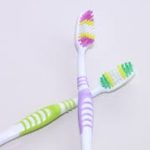 The link between oral health and systemic health has been well established through evidence-based research. Brushing and flossing don’t just make your smile look good. When you establish a daily oral health routine, you prevent pathogens that cause conditions like cardiovascular disease and diabetes from entering your system. Poor oral health is also tied in with aspiration pneumonia.
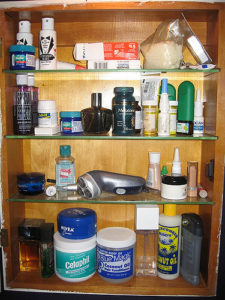 Too often, adults are the “unwitting suppliers” of prescription medications for their children. The problem lies in how prescription meds kept in medicine chests and purses that are too easy to reach. Kids are naturally curious and ignorant of the consequences of trying something that doesn’t appear to be dangerous.
 An Association Plan is group plan of individual policies with the intent to take an advantage of the “rule of large numbers” which in simple insurance terms means that the more people you have in a group, the the age and health risk factors of the individuals within the group are averaged out spreading out the risk and ultimately reducing the premiums compared to rating each person individually.
 Every February, the American Dental Association (ADA) sponsors National Children’s Dental Health Month to raise awareness of good dental health in children and how this affects them later in life. Maintaining healthy teeth and gums when people are young does have lasting benefits. For one thing, it leads to fewer and shorter visits (and probably less tears!) to the dentist. It also produces prettier smiles!