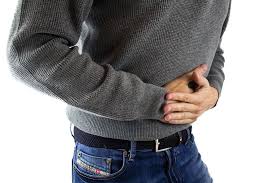
 When it comes to a pending heart attack, there’s not one warning signal that applies to everyone. Men and women share some symptoms like chest pain, indigestion and dizziness. Shortness of breath also applies to both sexes, but in men it often feels like one can’t get enough air even when resting.
However, there are some symptoms that appear to manifest differently by sex.
Symptoms common in men are:
- upper body discomfort or pain that includes arms, left shoulder, back, neck, jaw or stomach
- rapid or irregular heartbeat
- breaking out in a cold sweat
Symptoms more common to women are:
- anxiety
- sleep disturbances
- unusual fatigue lasting for several days or sudden severe fatigue
- jaw pain or pain that spreads up into one’s jaw
- upper back, shoulder or throat pain
The most important thing for you to know is what’s normal and abnormal for your body. Even if you’re not sure any of these symptoms are warnings, get emergency care right away. The best way to recover from a heart attack is early intervention, regardless of sex.
 The evolution of cardiac surgery has dramatically lessened the risk of going under the knife. These days, some hospitals specialize in heart health only. However, it took a lot of steps to reach this point. Here’s a brief history…
 When it comes to heart disease prevention, little has changed. High cholesterol is still a factor, as are smoking and obesity. Now when it comes to keeping your heart healthy, think of these four words – sleep, activity, diet and stress.
 The link between oral health and systemic health has been well established through evidence-based research. Brushing and flossing don’t just make your smile look good. When you establish a daily oral health routine, you prevent pathogens that cause conditions like cardiovascular disease and diabetes from entering your system. Poor oral health is also tied in with aspiration pneumonia.
 Americans are dying of heart failure today at a higher rate than they did in 1999, reversing years of progress in reducing the death rate.