 Pay attention to what your body is telling you (I know this is not normal for men!) but this time it did save my life. Waking up at 2 am with indigestion I took some Pepto Bismol and moved to the recliner for a bit then back to bed only to repeat the same indigestion.
The next day during a dental cleaning appointment, it came back with jaw pain. “Hmm. This is not good.” After taking a baby aspirin, I went to my primary care doctor who sent me for a chest x-ray.
HERE IS THE LESSON – GO TO THE EMERGENCY ROOM FIRST WITH ANY SUSPECTED HEART ISSUE
After a stress test and heart catheterization, it was determined I had a 98% blockage in the descending artery. This artery is often called the widow-maker because usually the first symptom of a problem is death.
After my ordeal when people find out what happened to me, they tell me their story of someone that did not survive. It usually goes like this, “Playing basketball in the driveway and just dropped dead. Or “He was a runner, thin and healthy.”
For me, it was a quadruple bypass with a six week recovery until I went back to work. But let me tell you, it was a full year until I was feeling confident with myself. By the way, I was 51 years of age at the time. I’m 62 now and doing fine.
By Dan Lamley, member of the InsuranceExperts.team
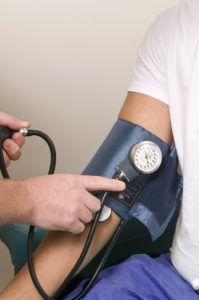 When it comes to children, it would be nice to state what numbers constitute a normal blood pressure reading. Here’s the problem. “Normal” blood pressure numbers change as children grow. It’s further complicated by the fact that high blood pressure tends to be asymptomatic. So what’s a parent to do?
 When it comes to a pending heart attack, there’s not one warning signal that applies to everyone. Men and women share some symptoms like chest pain, indigestion and dizziness. Shortness of breath also applies to both sexes, but in men it often feels like one can’t get enough air even when resting.
 The evolution of cardiac surgery has dramatically lessened the risk of going under the knife. These days, some hospitals specialize in heart health only. However, it took a lot of steps to reach this point. Here’s a brief history…
 When it comes to heart disease prevention, little has changed. High cholesterol is still a factor, as are smoking and obesity. Now when it comes to keeping your heart healthy, think of these four words – sleep, activity, diet and stress.