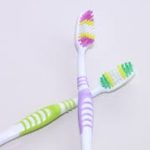
 The link between oral health and systemic health has been well established through evidence-based research. Brushing and flossing don’t just make your smile look good. When you establish a daily oral health routine, you prevent pathogens that cause conditions like cardiovascular disease and diabetes from entering your system. Poor oral health is also tied in with aspiration pneumonia.
Good oral hygiene not only helps prevent illness – but acts as an alarm for diseases already in progress. The condition of your teeth and gums can be an early indicator of systemic diseases that have not yet manifested symptoms. Early intervention is the best way to a full recovery.
The American Dental Hygienists’ Association designates October as the month to increase public awareness on the importance of good oral hygiene. Go to www.adha.org for more information on how a daily oral health routine contributes to enjoying the best health from head to toe.
 Every February, the American Dental Association (ADA) sponsors National Children’s Dental Health Month to raise awareness of good dental health in children and how this affects them later in life. Maintaining healthy teeth and gums when people are young does have lasting benefits. For one thing, it leads to fewer and shorter visits (and probably less tears!) to the dentist. It also produces prettier smiles!
 “Regular dental cleanings are part of the recommended regimen for healthy teeth and gums. While dentists typically recommend dental cleanings every six months, your provider may advise you to get cleanings more frequently if you have gum disease or other oral health conditions. Teeth cleaning is among the menu of services offered by dentists and is typically performed by dental hygienists.”
 Dental care is an important part of your oral and overall health, but it can be expensive as well. Luckily, there are numerous ways you can save money on dental care!
 Did you know mouth guards save tens of thousands of teeth every year? When it comes to sports, wearing one is part of the uniform. Basketball pro Stephen Curry tends to push his mouth guard out almost every time there’s a break in the game. But one the action starts, it’s back in place.